
How Much does it Cost to Start a Charcoal Briquette Processing Line?
The charcoal briquette processing line offers flexible processing of multiple raw materials and a short investment payback period, making it an ideal choice for small and medium-sized entrepreneurs.
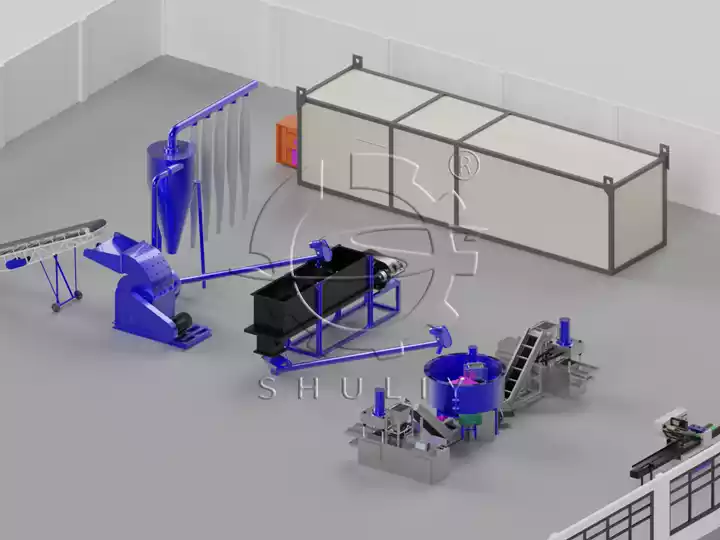
With rising environmental standards and demand for clean energy, the charcoal briquette processing line is emerging as a stable and profitable green industry. For small and medium-sized entrepreneurs and eco-friendly enterprises, understanding production line costs and benefits is crucial.
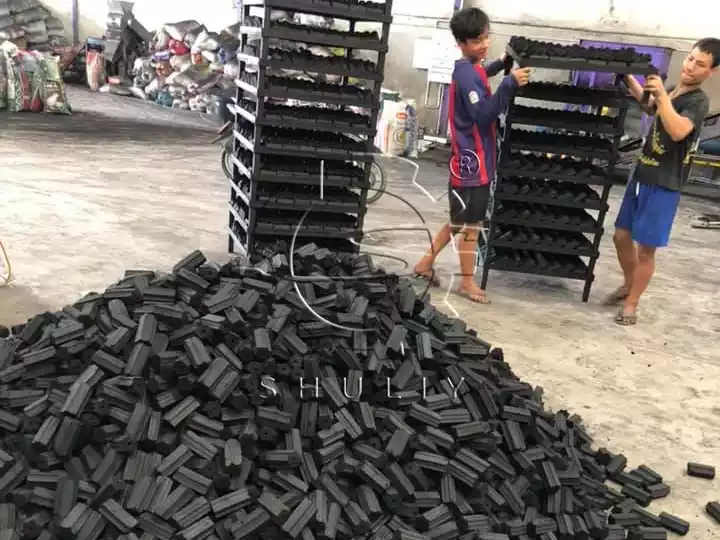
Customer case studies and on-site examples of charcoal production lines.
Charcoal briquette processing line composition
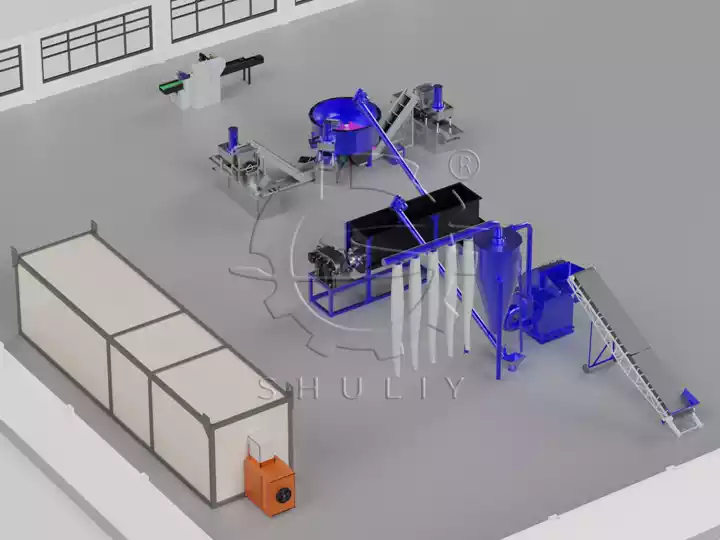
A complete charcoal briquette production line primarily includes: crusher, pulverizer, mixer, molding machine, dryer, and packaging equipment. The production process is: raw material crushing → pulverization into powder → uniform mixing → compression molding → drying and setting → packaging and shipment.
Modern equipment enables continuous production, processing 200–1000 kg of raw material per hour. Operating 8–10 hours daily yields 1–8 tons of finished charcoal. Production lines can be flexibly adjusted based on raw material type (wood chips, coconut shells, coal dust, etc.) and output requirements.
Investment costs and returns
Equipment pricing varies by capacity and automation level. A small-scale production line costs approximately $5,000–15,000 USD, while medium-to-large-scale lines can reach $30,000–80,000 USD. Beyond equipment costs, additional expenses include raw material procurement, site construction, and labor fees.
Taking a small-scale line as an example: raw material costs for finished charcoal are approximately $100–150 per ton, with market prices around $200–300 per ton. Daily output of 2–3 tons yields monthly profits of $3,000–6,000, typically achieving payback within 6–12 months.
Market prospects and applications
Coal-stick charcoal is suitable for household fuel, barbecuing, catering, and industrial heating applications. Market demand continues to grow, driven by environmental policies and clean energy promotion. Simultaneously, this charcoal briquettes making production line features simple operation and low energy consumption, making it ideal for startups and small factories to launch green economy projects.
Related articles
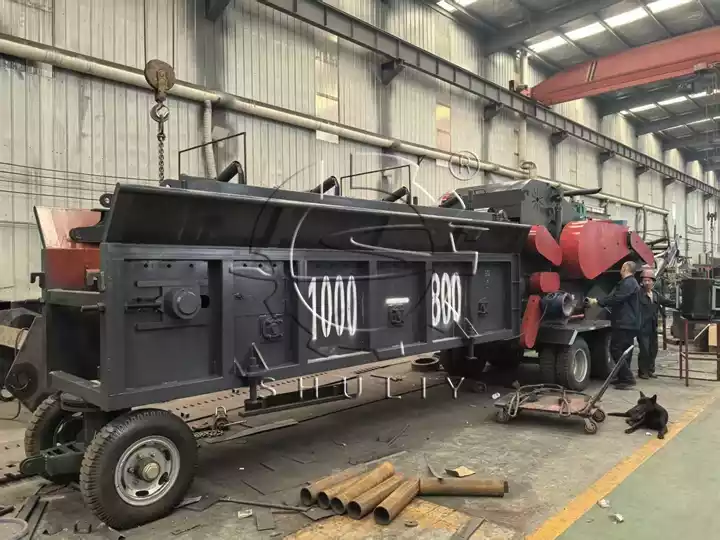
Is Mobile Comprehensive Wood Crusher Worth Buying for Your Wood Yard?
Wondering if a mobile comprehensive wood crusher suits your wood yard? Review its pros, cons, and ideal use cases to decide whether this mobile …
Read more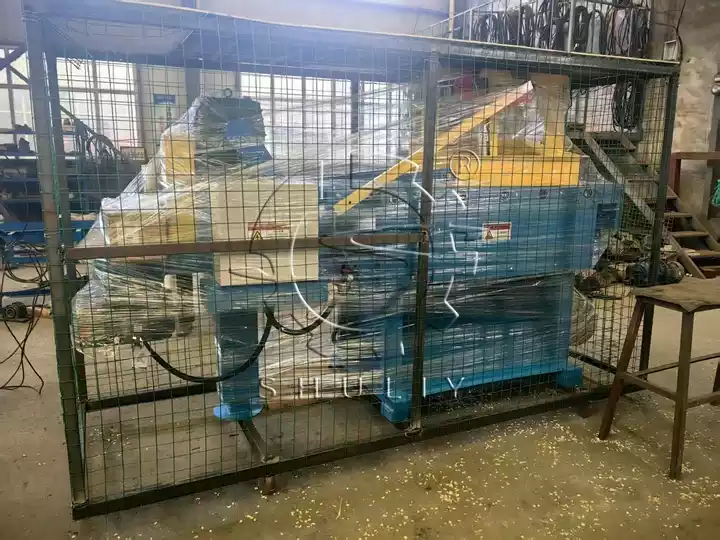
Horizontal Wood Shaving Machine and Spare Parts Shipped to South Africa
A horizontal wood shaving machine, together with matching blade rollers and replacement blades, is delivered to South Africa for making quality wood …
Read more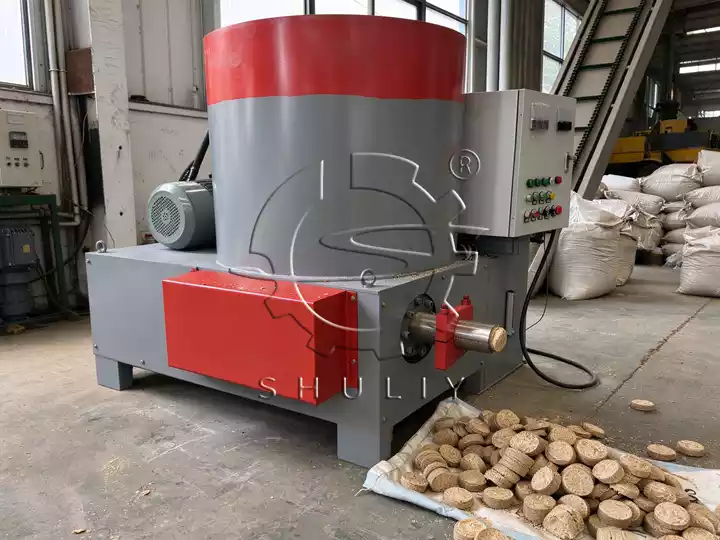
What Raw Materials Can A Wood Briquette Press Process?
Discover all usable raw materials for a wood briquette press, including sawdust, straw, husks, and other biomass waste. Learn which materials to avoid …
Read morePlanning a line with these machines?
Send your requirement and we will reply with a suitable model, price, and delivery plan.